Plant profile
Juncus torreyi
Juncus torreyi Coville
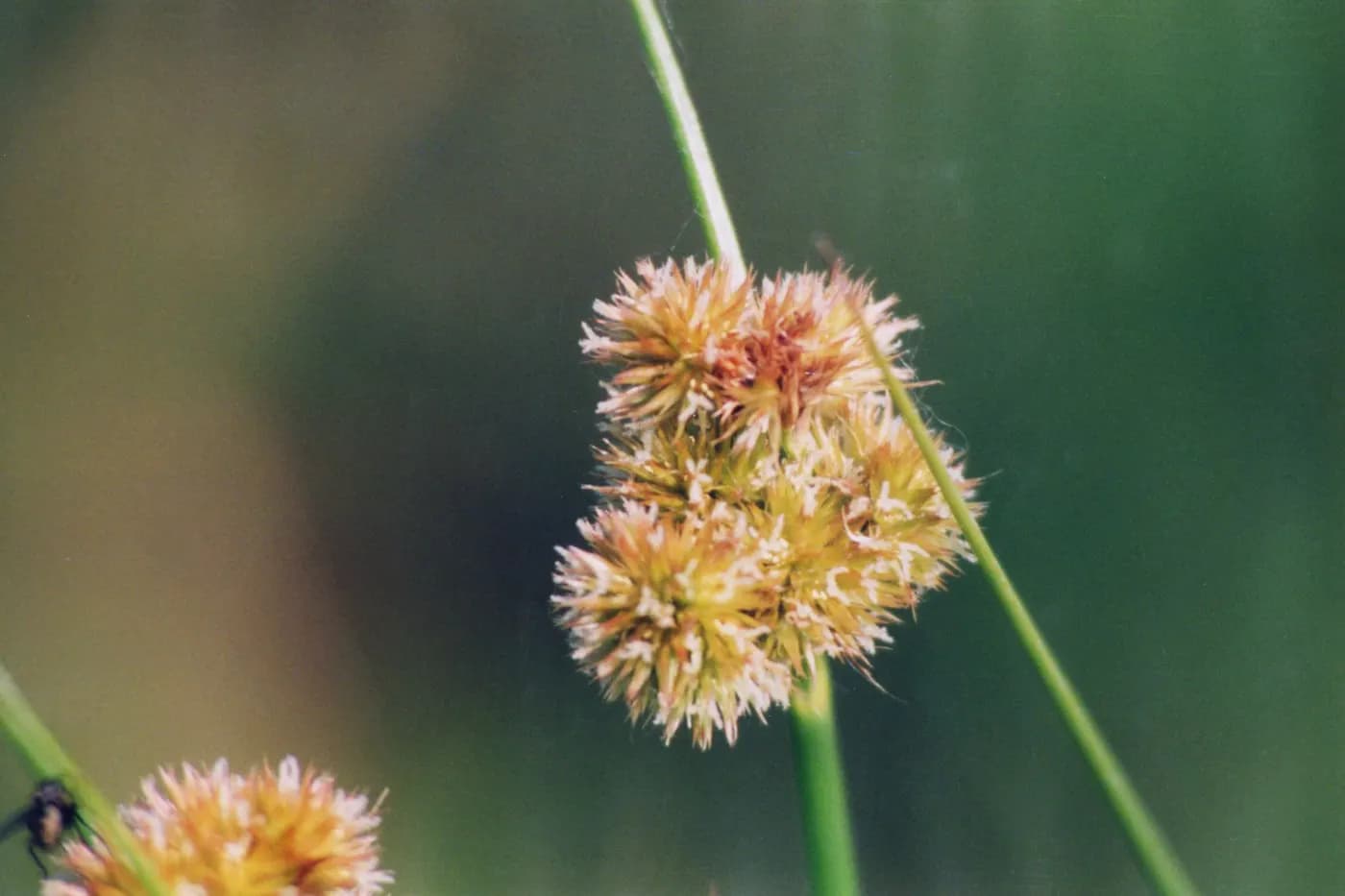
Juncus torreyi is a plant suitable for both indoor and outdoor cultivation, characterized by its upright appearance and slender stems. It thrives in moist soils and is ideal for water gardens.
From Wikipedia
Juncus torreyi is a species of rush known by the common name Torrey's rush. It is native to North America, where it is widespread. It can be found in many habitats across the southern half of Canada, coast to coast in the United States, and throughout northern Mexico. This is a perennial herb growing from rhizomes with associated tiny tubers. The smooth stems vary in maximum height from 30 centimeters to around a meter. The leaves are green to pink or red and up to 30 centimeters long. The inflorescences have many dense, rounded clusters of up to 100 flowers each. The flower has narrow, pointed greenish, tan, or reddish tepals and six stamens. The fruit is a pointed brown capsule.
Juncus torreyi — Text CC BY-SA. See the original article.
Open-data facts
- Life form
- Lives as a geophyte: a typical strategy for many resilient species.
- Climate
- Temperate zones define its natural range.
- Origin / area
- According to taxonomic sources, it comes from: Canada to N. Mexico.
Traits (USDA)
- Botanical group
- As a monocot, it shares the group with lilies, palms, or many tropical houseplants.
- Duration
- Perennial plant: once established, it can accompany you through many seasons.
- Growth habit
- Graminoid
- Drought tolerance
- Low
- Shade tolerance
- Intolerant
- Moisture use
- Medium
- Soil pH
- 4.5 – 6.5
- Mature height
- 3.1 ft
- Bloom period
- Mid Summer
- Toxicity (USDA)
- None
Recommended products for Juncus torreyi
Ecological interactions
Uses it as a host:
Uromyces junci, Urocystis junci
Other species it relates to:
Juncus, Archanara subflava, Plateumaris pusilla, no name, Limotettix cuneatus, Limotettix bisoni, Livia maculipennis, Lobelia siphilitica…
Basic care
- Watering
- In heatwaves, water a bit more—without overdoing it.
- Light
- An east or west window with some filter often works well.
- Temperature
- Sudden temperature swings stress it.
- Humidity
- Appreciates higher-than-average air humidity.
Pet toxicity
Often a safer choice in homes with pets.
Cats: no (typical guidance). Dogs: no (typical guidance).
Sources
- Wikidata (Q15296732) — taxonomic data CC0
- GBIF (2701550) — taxonomy and vernacular names
- POWO / WCVP (289226-2) — taxonomy and distribution (WCVP/Kew, CC BY)
- WFO (wfo-0000777444) — world taxonomic checklist (CC0)
- USDA GRIN — uses and distribution (USDA GRIN, public domain)
- USDA PLANTS (JUTO) — conservation characteristics (USDA PLANTS, public domain)
- Wikipedia — lead extract (CC BY-SA)
- GloBI — species interactions (CC BY)
- Care texts are Botanico templates chosen by each plant’s care level (guidance only).